

Diploma in Mechanical Engineering
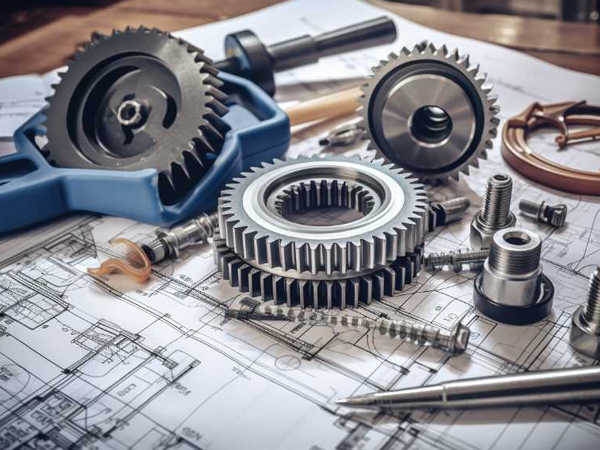
The Diploma in Mechanical Engineering is a core and dynamic Diploma in the institution, dedicated to providing quality education, practical exposure, and technical expertise in the field of mechanical engineering. The department aims to develop skilled professionals capable of meeting the evolving demands of industry, research, and society.
With a strong emphasis on fundamental engineering principles and hands-on learning, the department prepares students to excel in areas such as design, manufacturing, thermal sciences, and industrial engineering. The curriculum is designed in accordance with university and regulatory body norms, ensuring both academic excellence and industry relevance.
Vision
To emerge as a centre of excellence in mechanical engineering education, research, and innovation by producing competent, ethical, and industry-ready professionals.
Mission
- To impart strong theoretical and practical knowledge in mechanical engineering through effective teaching–learning practices.
- To provide hands-on training using modern laboratories, tools, and software.
- To promote innovation, research, and problem-solving skills among students.
- To inculcate professional ethics, teamwork, leadership qualities, and lifelong learning.
Academic Programs
The Diploma in Mechanical Engineering offers a comprehensive program covering core and applied areas of mechanical engineering. The curriculum equips students with the knowledge and skills required for employment, higher education, and entrepreneurship.
Key subjects include:
Laboratories and Facilities
The department is supported by well-equipped laboratories that facilitate experiential learning, including:
These facilities enable students to gain practical skills and exposure to real-world engineering applications.
Faculty Profile
The department has a team of qualified, experienced, and dedicated faculty members who are actively involved in teaching, mentoring, and academic development. Faculty members continuously enhance their expertise through faculty development programs, workshops, seminars, and research activities.
Teaching–Learning Practices
The department adopts modern and effective teaching methodologies such as:
These practices help bridge the gap between theoretical knowledge and industrial application.
Industry Interaction and Training
The department maintains strong interaction with industries through:
- Industrial visits and in-plant training
- Guest lectures by industry experts
- Internships and apprenticeships
- Industry-oriented workshops and certification programs
Such initiatives enhance students’ technical competence and employability.
Student Development Activities
To support holistic development, the department encourages students to participate in:
- Technical symposiums, workshops, and seminars
- Skill development and certification programs
- Soft skills and personality development training
- Co-curricular and extracurricular activities
Career Opportunities
Programme Educational Objectives (PEOs)
Programme Specific Outcomes (PSOs)
PSO1
Ability to design, analyze, and develop mechanical components and systems using principles of mechanics, materials, and manufacturing processes.
PSO2
Ability to apply knowledge of thermal, fluid, and energy systems to solve practical engineering problems in industries.
Program Outcomes (POs)
PO1
Engineering Knowledge – Apply knowledge of mathematics, science, and mechanical engineering fundamentals to solve complex engineering problems.PO2
Problem Analysis – Identify, formulate, and analyze mechanical engineering problems using appropriate principles and methods.PO3
Design / Development of Solutions – Design mechanical systems and components that meet specified needs with due consideration for safety, sustainability, and societal impact.PO4
Modern Tool Usage – Use modern engineering and IT tools, including CAD/CAM and simulation software, to analyze and solve engineering problems.PO5
Engineer and Society – Apply engineering solutions considering health, safety, legal, and societal responsibilities.PO6
Environment and Sustainability – Understand the impact of mechanical engineering solutions on the environment and promote sustainable practices.PO7
Ethics – Apply ethical principles and commit to professional ethics and responsibilities.PO8
Individual and Team Work – Function effectively as an individual and as a member or leader in diverse teams.PO9
Communication – Communicate effectively on complex engineering activities through reports, presentations, and discussions.PO10
Project Management and Finance – Apply engineering and management principles to manage projects in multidisciplinary environments.PO11
Life-long Learning – Recognize the need for and engage in independent and lifelong learning in the context of technological advancement.Conclusion
The Diploma in Mechanical Engineering is committed to nurturing technically sound, innovative, and socially responsible engineers. Through quality education, modern infrastructure, and strong industry engagement, the department strives to prepare students to meet global engineering challenges successfully.